★★★★★
“The passion for healing and the skill in facilitating treatments was unbelievable — and then came the massage of the century. I highly, highly recommend it.”
Read on Google ↗A quieter page — for anyone curious about the person behind the hands. Nothing here is needed to book a session; it's simply the fuller story of how I came to this work, in three chapters.
My About page covers the practical things — my engineering background, many years of hands-on practice, and my Diploma in Osteopathic Manual Practice. All of it is true, and it matters. But it isn't the whole reason I do this work. Some people just want a good practitioner and a calmer body, and that's completely enough. This page is for the others — the ones who sense there's something more personal underneath the way I work, and like to know a little about it first.
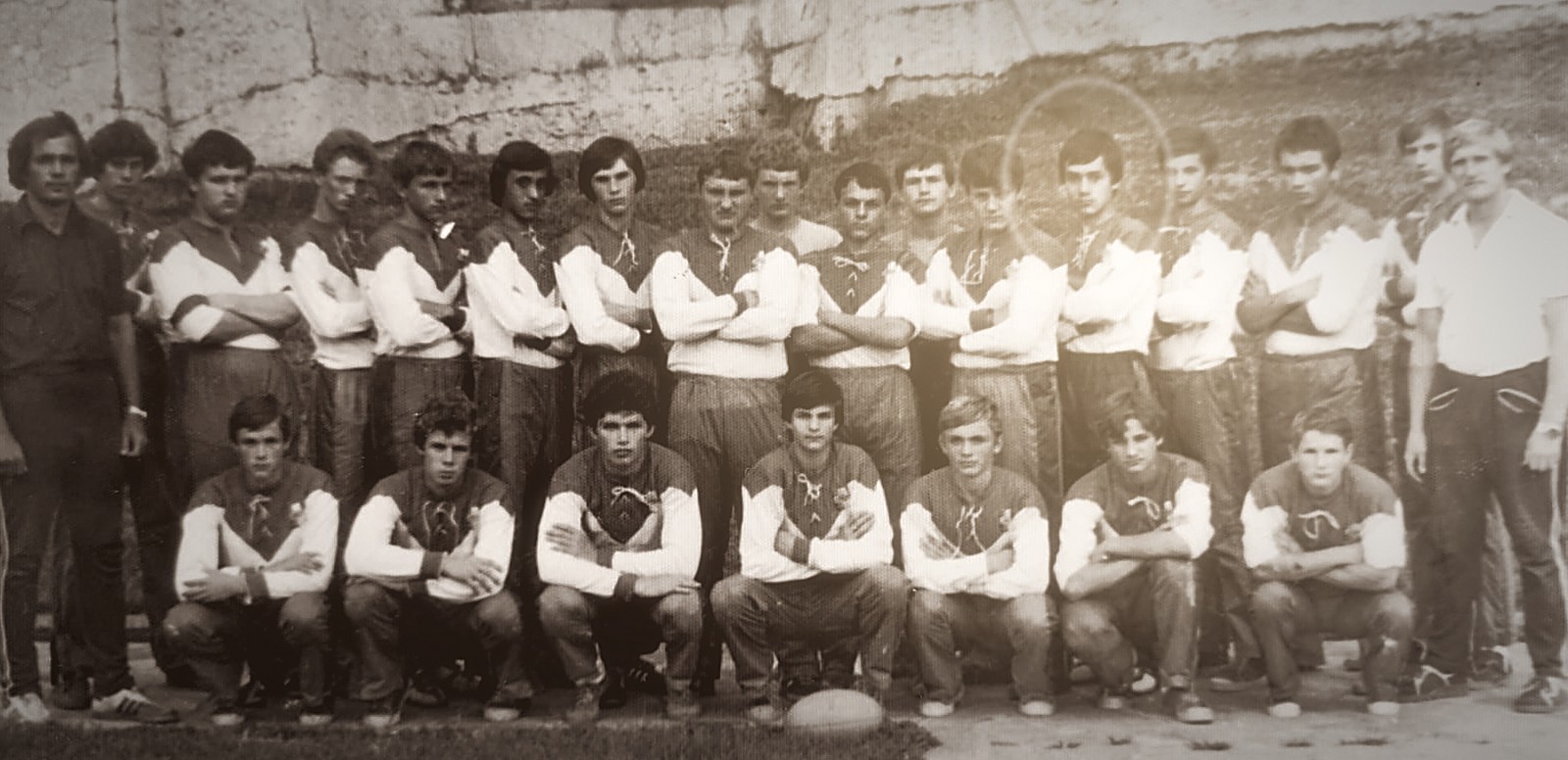
Long before any of this, there was a rugby pitch. I played for my high-school team, and in those days we had no physiotherapist and no medical staff — just each other. We learned to warm up one another's muscles before a match and to ease the knocks afterward, and we taught ourselves to work on our own bodies too. I had no name for it then, but that was the start of everything: the first time I understood that warm, attentive hands could change how a body feels and moves. Every year of practice since has grown from that simple discovery on the field.
Years later came the most significant spiritual experience of my life: twenty-one days without food. Not alone, and not in silence — it was a guided course, under the care of a physician, a yoga teacher, and a spiritual teacher.
The first seven days were mostly physical: the body protesting, then slowly adjusting. After that it turned into something quieter, and more inward.
I won't pretend I passed every part of it with top marks. But since that time, words like universal energy, the noosphere, the body in tune with the cosmos have stopped being abstractions for me. They became personal experience — the kind that doesn't fit into words.
When I hear other people describe experiences like this, I find them hard to believe. And when I try to put my own into words, the words feel false in my own mouth. So I've stopped explaining.
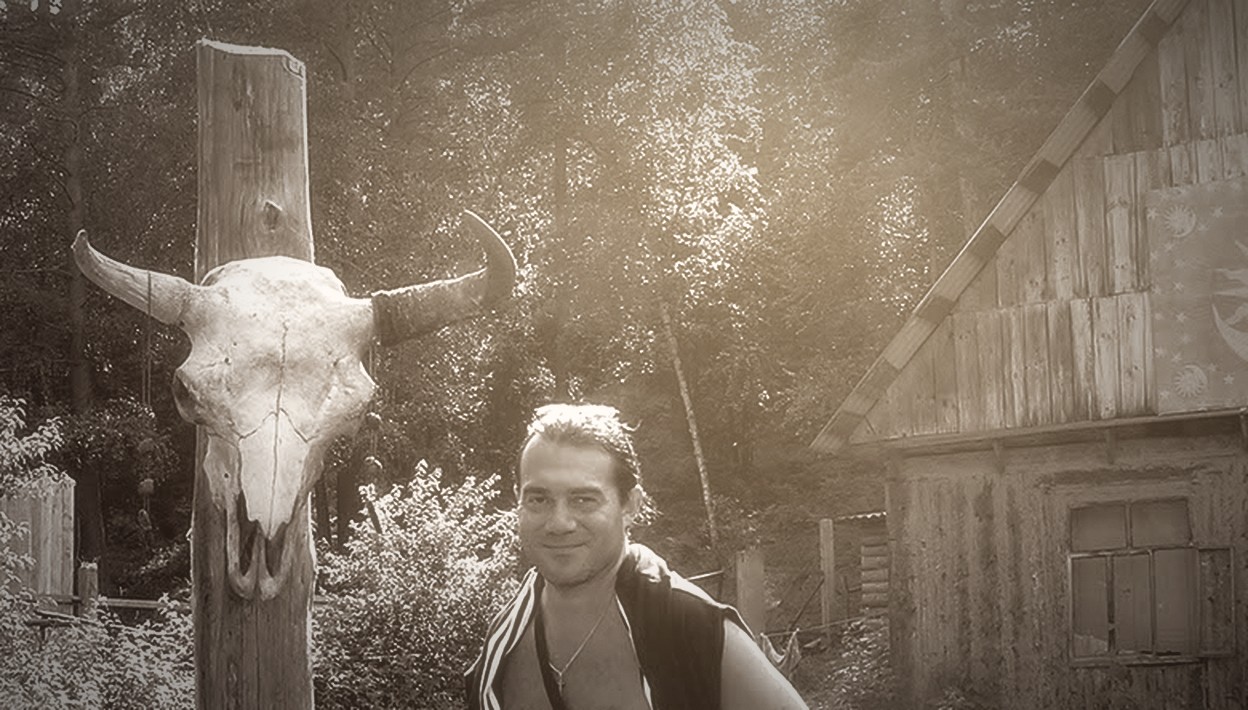
I don't call it healing, and it isn't shamanism. It sits inside the ordinary idea of osteopathy — a way of seeing the body as a system. The only difference is that here I treat that system as part of a larger one.
Everything above lives in my hands whether I speak of it or not — the rugby-pitch curiosity and the stillness I found in the mountains, settled over the years into a single unhurried way of working.
Away from the treatment room, I write. Not manuals about the body, but fiction — lyric stories and a strand of mystical realism. My work has appeared in respected literary journals, and two of my novels were brought out by a publishing house — on their decision, not at my own expense. I mention it only because the two lives are really one: the patient attention a story asks for is the same attention I bring to a body on the table.
The literary world has shifted these past few years, and for the last five I've written mostly into my own notebooks. I expect to return to publishing once I've had time to make sense of what these recent years have taught me.
And I still carry a quiet dream — a place built entirely around this idea: warmth, authentic care, and the older, holistic understanding that a body lets go most easily when it feels safe and unhurried. Part of it I already offer here; the rest, I'm still working toward.
These kind words come from clients I looked after at my Ottawa-area spas over the years. The setting has changed — the same care, and the same hands, continue here at ALX Osteopathy.
“The passion for healing and the skill in facilitating treatments was unbelievable — and then came the massage of the century. I highly, highly recommend it.”
Read on Google ↗“Our second time with Alex providing his services, and it is such an amazing experience. Having the place to yourself makes it absolutely perfect.”
Read on Google ↗“Alex and Maria are very good at what they do. I highly recommend them whether it is a special occasion or just because you need to relax, rest or restore. Thank you, Alex.”
Read on Google ↗“We left feeling completely refreshed and invigorated. Alex and Maria were incredibly detailed in explaining everything and made us feel so welcome. A truly one-of-a-kind experience.”
Read on Google ↗“The personal attention of the host was fantastic. Every aspect was customized and tailored to us. Sauna, massage and more were all outstanding.”
Read on Google ↗“The staff was incredibly professional and attentive, and the attention to detail was impeccable. We left feeling completely relaxed and rejuvenated. Highly recommend for top-notch service.”
Read on Google ↗“From my entrance to my massage and sauna, it was the most amazing experience — one of the best I have ever had at a spa. A must-try, and very fair prices.”
Read on Google ↗“We booked the couples package for our anniversary and got so much more. Impossible to put into words. The skin-moisturizing massage is a sensual way back to earth.”
Read on Google ↗“Everything was simply top-notch. Alex greeted me with the warmest smile and guided me through the whole experience. After a traditional steam session, I had a session with Alex as an osteopath — truly next-level manual therapy. My neck had been bothering me, and I left feeling incredibly refreshed and rejuvenated.”
Read on Google ↗“A perfect birthday celebration. Alex and Maria were very professional and explained every treatment beforehand. We enjoyed the whole experience, especially the hot-leaves treatment and the relaxation massage. A great, unique experience.”
Read on Google ↗“Alex and his assistant Maria masterfully led us through several sessions blending different traditions. Combined with the moisturizing massage at the end, we felt euphoric and detoxified. That night I slept very deeply and awoke feeling rejuvenated.”
Read on Google ↗“From the moment we arrived, the experience was exceptional — pristine, serene and private. For anyone serious about naturopathic healing and non-invasive treatments, I highly recommend it. The expert care makes it an unparalleled choice for a revitalizing escape.”
Read on Google ↗“My Valentine couples package was wonderful. We were treated to a great relaxation massage, and left in complete relaxation. We look forward to returning in the future.”
Read on Google ↗“Amazing experience, unlike any other. Alex talked us through the treatments, including aromatherapy and full-body massage. We were so relaxed by the end. Thank you Alex and Maria!”
Read on Google ↗“The perfect way to celebrate our 14th wedding anniversary. Alex was very welcoming and professional, and the one-on-one care made us feel very special. We will be back!”
Read on Google ↗